Supporting Autistic Students in Schools How Advocacy and Consultancy Can Make a Difference
Many autistic children arrive at school ready to learn, but the school day is often built around demands that make learning harder before a lesson has even begun. Bright lights, noisy corridors, sudden changes, unclear instructions, social pressure, and behaviour systems that reward compliance can quickly turn an ordinary day into a distressing one.
When support works well, autistic students can thrive. They can build friendships, develop confidence, make academic progress, and feel safe enough to show what they know. When support is late, inconsistent, or based on misunderstanding, school can become exhausting for the child, stressful for families, and challenging for staff.
This is where educational consultancy and advocacy can make a real difference. They can help families and schools understand the child’s needs, agree practical adjustments, and create plans that work in real classrooms. For services such as Clinic Autism London, this area offers a meaningful opportunity to support children beyond assessment and diagnosis, and to become a trusted partner in educational progress.

Why autistic students can struggle in school
Autism affects how a person may communicate, process sensory information, respond to change, interact socially, and manage uncertainty. Every autistic child is different, so support must never rely on a single checklist. Still, many school challenges come from the same root problem: the environment expects the child to adapt without enough support.
Sensory overload can block learning
Schools are busy sensory environments. A child may have to cope with bells, scraping chairs, playground noise, crowded corridors, fluorescent lighting, strong smells, and unexpected touch. For some students, these sensations are uncomfortable. For others, they are painful or overwhelming.
A child in sensory overload may appear distracted, withdrawn, angry, or defiant. In reality, their nervous system may be working hard just to cope. Asking them to “try harder” rarely helps. Reducing the sensory load often does.
Communication differences can be missed
Some autistic children speak fluently but still struggle to process long verbal instructions, understand implied meanings, or explain distress. Others use fewer words, communication aids, gestures, or scripts. In a fast-moving classroom, these needs can be overlooked.
A student may not ask for help because they do not know how, fear getting it wrong, or need more time to process the question. Staff may then assume the child understands. This gap can lead to anxiety, unfinished work, or behaviour that seems sudden but has been building for some time.
Social demands can be tiring
Group work, playground games, changing friendship groups, humour, sarcasm, and unspoken rules can be hard to navigate. Many autistic students want friends but find the social side of school confusing or unpredictable.
Some children mask their difficulties during the day, then release their distress at home. They may seem “fine at school” while families see after-school meltdowns, shutdowns, sleep problems, or school refusal. This mismatch can make it harder for parents to be heard.
Behaviour is often misunderstood
Behaviour is communication. A child who leaves the classroom, refuses work, hides under a table, argues, or becomes quiet may be showing fear, overload, confusion, pain, or fatigue.
Behaviour systems based mainly on sanctions can make things worse. If a student is punished for a response they cannot control, trust breaks down. The child may feel unsafe, and staff may feel stuck in a cycle of repeated incidents.
Why many children do not receive the right support
Most educators want to help. Many parents also work hard to build positive relationships with schools. Yet autistic children still miss out on the support they need. The reasons are often practical, cultural, and systemic rather than caused by one person.
Needs may be hidden or misunderstood
Some autistic children do not fit common stereotypes. They may make eye contact, achieve well in some subjects, enjoy conversation, or behave differently at school and home. This can lead to assumptions that they do not need support.
Girls and students who mask heavily may be missed for years. So may children whose anxiety shows as perfectionism, quiet compliance, or frequent stomach aches. A child does not need to be in visible crisis to need help.
Assessment and support can take time
In the UK, families may seek support through school-based SEN provision, external assessments, or an Education, Health and Care Plan, often called an EHCP, where needs are more complex. These routes can take time and may involve paperwork, evidence gathering, meetings, and reviews.
During this time, the child still has to attend school. Without interim support, difficulties can grow. Attendance may drop, learning gaps may widen, and relationships may become strained.
Staff may not have enough autism-specific training
Teachers and teaching assistants manage many needs at once. Some have excellent knowledge of autism, while others have had only brief training. A lack of confidence can lead staff to use general behaviour strategies where autism-informed support would work better.
Training also needs to move beyond awareness. Staff need practical guidance on what to do on Monday morning, in a noisy corridor, during a transition, or when a child refuses to enter the classroom.
Plans can be too vague
Many students have support plans, but the quality varies. Phrases such as “offer reassurance” or “provide support when needed” sound helpful, but they do not tell staff exactly what to do.
A strong plan names the trigger, the early signs of distress, the adjustment, the responsible adult, and the review point. It also includes the child’s voice wherever possible.
How educational consultancy and advocacy help
Educational consultancy and advocacy sit between understanding and action. They help turn assessment findings, parent concerns, school observations, and student experiences into practical support.
A good consultant or advocate does not replace the school. They help the adults around the child work from the same map.
They translate needs into classroom practice
Autism assessments can identify strengths and needs, but schools need clear recommendations that fit the timetable and classroom. Consultancy can bridge that gap.
For example, “difficulty with transitions” becomes:
A visual timetable used every morning
A two-minute warning before changes
A named adult at key transition points
A quiet route between busy areas where possible
A plan for unexpected changes
This level of detail helps staff act consistently.
They support parents in meetings
School meetings can feel emotional and overwhelming, especially when a child is distressed or not attending regularly. Advocacy helps families prepare, stay focused, and ask for reasonable adjustments in a clear way.
An advocate can help parents:
Organise evidence from home, school, and professionals
Describe concerns without blame
Ask for specific adjustments
Understand school processes and SEND language
Keep the child’s needs at the centre of the discussion
This can reduce conflict and improve trust.
They help schools build confidence
Consultancy is not only for families. Schools can benefit from external guidance, training, and case consultation. A consultant can observe patterns, suggest changes, and help staff understand why a strategy is not working.
The best support feels collaborative. It respects teacher expertise while adding autism-specific knowledge.
How Clinic Autism London can strengthen its role in education support
Clinic Autism London is well placed to expand its presence in this area by linking clinical understanding with school-based action. Many families receive a diagnosis or assessment recommendations, then ask the same question: what happens now?
Educational advocacy and consultancy can help answer that question.
Build a clear post-assessment education pathway
After an autism assessment, families often need help sharing information with school. Clinic Autism London could strengthen its offer by creating a clear education pathway that includes:
A school-friendly summary of the child’s strengths and needs
Practical classroom recommendations
Guidance for parents before school meetings
Support with understanding SEN support and EHCP processes
Follow-up consultation after the school has tried adjustments
This would help families move from diagnosis to support with less uncertainty.
Offer school consultation and training
Schools need advice that respects real constraints. Time, staffing, space, and budgets all matter. Clinic Autism London could offer training that focuses on practical change, such as:
Understanding sensory needs in classrooms
Supporting autistic students during transitions
Reducing anxiety and school refusal
Writing clear support plans
Using behaviour as communication
Supporting autistic girls and high-masking students
Short, focused sessions can be easier for schools to adopt than broad training days.
Create resources for parents and educators
Clinic Autism London can also build trust through useful resources. These might include downloadable school meeting checklists, one-page guides to reasonable adjustments, templates for pupil passports, and short articles explaining common school challenges.
Good resources help families and schools use the same language. They also show that the clinic understands life after diagnosis, not only the assessment process.
Develop a joined-up advocacy model
A strong advocacy model could include pre-meeting preparation, attendance at key school meetings where appropriate, written recommendations, and review sessions. This gives families continuity and helps schools see advocacy as support, not criticism.
The message matters. Advocacy should aim to build partnership, not division. The goal is a better plan for the child.

Practical strategies schools can use now
Autism support does not always require expensive equipment. Many helpful changes are about clarity, predictability, and relationships.
Make the day predictable
Predictability reduces anxiety and helps students prepare for what comes next.
Useful approaches include:
Visual timetables that staff actually update
Written instructions alongside verbal instructions
Advance warning of changes where possible
A clear start and finish point for tasks
Simple explanations of what will happen next
When plans change, staff can explain what has changed, what stays the same, and who will help.
Adjust the sensory environment
Small sensory changes can prevent distress.
Schools can try:
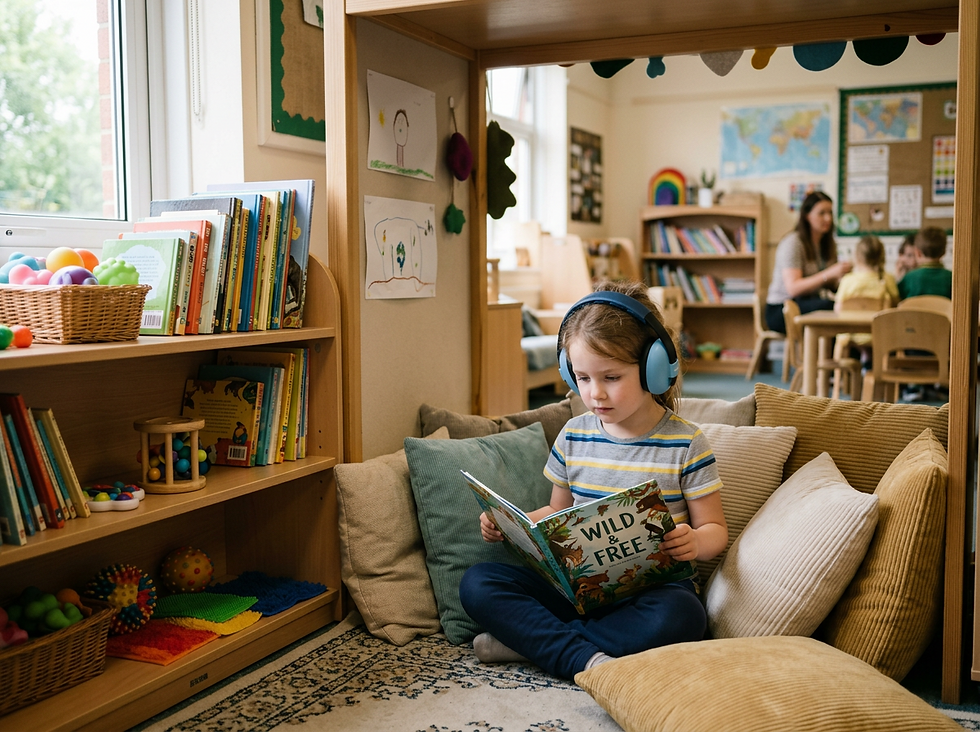
Access to ear defenders or noise-reducing headphones
A quiet space that is used before crisis point
Flexible seating where possible
Reduced visual clutter near the student’s workspace
Permission to leave crowded areas slightly early
Awareness of smells, lighting, and touch sensitivity
A quiet space should not feel like a punishment. It should be a planned regulation tool.
Use clear communication
Many autistic students benefit from direct, concrete language.
Staff can support understanding by:
Giving one instruction at a time
Allowing extra processing time
Avoiding vague phrases such as “behave properly”
Checking understanding without putting the child on the spot
Using visuals, examples, and models
Saying exactly what success looks like
This helps the whole class, not only autistic students.
Replace punishment cycles with support plans
When a behaviour keeps happening, the adults need to ask what the behaviour achieves or avoids. Does the child escape noise, avoid confusing work, gain predictability, or communicate distress?
A support plan should include:
Area | What to include |
Triggers | Noise, transitions, unclear tasks, social conflict, changes |
Early signs | Pacing, silence, refusal, repeated questions, agitation |
Helpful responses | Calm voice, reduced language, space, visual prompt, trusted adult |
Recovery | Time to regulate before discussing what happened |
Review | A date to check whether the plan is working |
The aim is not to excuse harmful behaviour. The aim is to understand it well enough to prevent it and teach safer ways to communicate.
Include the student’s voice
Autistic students should be involved in decisions about their support wherever possible. Some will talk openly. Others may prefer drawing, rating scales, written choices, or support from a trusted adult.
Useful questions include:
What makes school hard?
Where do you feel safest?
How do adults know when you are stressed?
What helps when everything feels too much?
What do you wish teachers understood?
Student voice often reveals simple changes adults have missed.
What good support looks like in practice
Good support is not always dramatic. Often, it looks calm and ordinary.
A child knows where to go when the corridor is too noisy. A teacher gives instructions in writing. A teaching assistant notices early signs of overload and offers a break before distress peaks. A parent feels heard in a meeting. A SENCO reviews a plan after three weeks rather than waiting until the next term. Staff speak about the child with curiosity, not blame.
The strongest schools avoid waiting for crisis. They build support around the student early, review it often, and adapt when it stops working.
For parents, the right support can bring relief. For staff, it can reduce repeated incidents and make teaching easier. For the child, it can change the whole experience of school.
A shared responsibility
Supporting autistic students is not only a matter of kindness. It is part of creating schools where children can learn without having to hide distress or fight the environment every day.
Educational consultancy and advocacy give families and schools a practical route forward. They help identify needs, translate recommendations into daily support, and make meetings more focused and productive. Clinic Autism London can play a valuable role by extending its expertise into school consultancy, parent advocacy, staff training, and post-assessment guidance.
The next step is simple: listen closely to the child, define the support clearly, and make sure every adult knows what to do before school becomes overwhelming. When the right support is in place, autistic students are not just included in the classroom. They have a fair chance to belong, learn, and thrive.