Why Autistic Kids Struggle with Play and Social Skills
A child may love trains, puzzles, animals or water play, yet freeze when another child says, “Can I join in?” Another may want friends but grab toys, repeat the same game, or walk away just as play begins. To adults, these moments can look like “not sharing”, “not listening” or “not trying”. For many autistic children, they are signs that play and social interaction are genuinely hard work.
Play is not simple. It asks a child to read facial expressions, understand body language, listen, wait, imagine, negotiate, change plans and cope with noise or touch, often all at once. For children with autism, those demands can pile up quickly.
This article is for information only and is not a substitute for a professional assessment or personalised clinical advice. Still, understanding why play feels difficult can help families respond with more patience, clearer support and better choices about therapy.

Play is more complex than it looks
Adults often describe play as a break from learning, but in early childhood, play is learning. Through play, children practise language, problem-solving, turn-taking, emotional control and friendship skills.
A simple game of pretend café can include all of these hidden steps:
Knowing what the game is about
Taking on a role
Understanding what another child expects
Using flexible language
Sharing toys and space
Coping when the story changes
Staying calm if someone takes the “wrong” cup or plate
For an autistic child, any one of these steps may be difficult. When several happen together, the child may seem withdrawn, upset, controlling or uninterested.
Specialists at services such as Clinic Autism London often encourage families to look beneath the behaviour. A child who walks away from group play may not be rejecting other children. They may be overwhelmed, unsure how to join, or trying to avoid a situation where they expect to fail.
That shift in perspective matters. It moves the focus from “How do we make this child play properly?” to “What support would help this child feel safe, understood and included?”
Why some autistic children struggle with social interaction
Autism affects how a person communicates, processes information and experiences the world. Each child is different, but several common factors can make social situations harder.
Social rules are often hidden
Many children learn social rules by watching and copying. They notice when to speak, how close to stand, when a joke is funny, and when someone wants to stop playing.
Autistic children may not pick up these unspoken rules in the same way. They may need social information made clear and concrete.
For example, a child might not realise that:
A friend turning away may mean they need a break
A raised voice may signal frustration
A group running around may already have a game with rules
Saying the same fact many times may not feel like a conversation to others
This does not mean the child lacks empathy. Many autistic children care deeply about others. The challenge is often reading signals quickly enough and knowing what to do next.
Language may not match social understanding
Some autistic children speak fluently and have a wide vocabulary, which can make adults assume they understand every social situation. Yet social language is different from naming objects or answering questions.
A child may know hundreds of words but struggle with:
Starting a conversation
Staying on topic
Understanding sarcasm or teasing
Asking another child what they want to play
Repairing a misunderstanding
Knowing when to stop talking about a favourite subject
Other children may use few or no spoken words. They may rely on gestures, pictures, signs, sounds, facial expressions or communication devices. If adults and peers do not understand these communication attempts, play can break down quickly.
Communication support should meet the child where they are, rather than forcing one narrow idea of what communication must look like.
Sensory differences can change the whole experience
A playroom, playground or birthday party can be full of sensory input. There may be shouting, bright lights, strong smells, background music, unexpected touch and fast movement.
For some autistic children, this input is painful or exhausting. For others, the issue may be under-responsiveness, where they seek more movement, pressure or sound to feel regulated.
A child might cover their ears during singing, avoid messy play, crash into other children during chase games, or become distressed when toys make sudden noises. These reactions are not “bad behaviour”. They may show that the child’s nervous system is overloaded or seeking balance.
Clinic Autism London’s expert approach would typically include careful attention to sensory needs. When sensory demands reduce, a child often has more capacity for connection, communication and play.
Why play can feel especially difficult
Social skills and play skills overlap, but they are not identical. Some children can manage adult-led interaction yet struggle with child-led play because it is less predictable.
Pretend play asks for flexible thinking
Pretend play can be confusing because one object stands for another. A banana becomes a phone. A box becomes a spaceship. A child becomes a doctor, then a dragon, then a shopkeeper.
Some autistic children prefer toys to be used in consistent, logical ways. They may enjoy sorting cars by colour, spinning wheels, building the same tower or recreating a favourite scene. This type of play can be meaningful, calming and intelligent. It should not be dismissed.
The difficulty may arise when other children want to change the pattern. If a dinosaur suddenly becomes the “teacher” or a train track is rearranged, the autistic child may feel that the play has stopped making sense.
Turn-taking can be stressful
Turn-taking sounds simple, but it involves waiting, impulse control, attention and trust. A child must believe that their turn will come back. They also need to manage frustration while someone else controls the toy or game.
Some autistic children find waiting extremely hard, especially if the toy relates to a strong interest. Others may not understand the rhythm of turn-taking unless it is shown visually or practised in small steps.
A timer, a clear visual cue or a predictable phrase such as “my turn, your turn” can help. The aim is not to make the child comply for the sake of it. The aim is to make the social pattern easier to understand.
Group play moves quickly
In group play, rules can change without warning. Children may invent new roles, shift teams, run off, argue, laugh, restart and abandon games within minutes.
For a child who needs time to process language and social cues, this pace can feel impossible. By the time they understand what is happening, the game may have moved on.
This is one reason adult support can be useful. A calm adult can slow the interaction, translate social cues and help the child re-enter the game without shame.

How Clinic Autism London can support children and families
Families often seek help when social difficulties begin to affect nursery, school, friendships or family life. Professional guidance can bring clarity. It can also reduce the pressure parents feel when advice from others is too vague or judgmental.
Why Kids with Autism Struggle with Play and Social Skills and How Clinic Autism London Can Help is not a question with one single answer. A good plan starts with understanding the individual child.
A careful assessment can explain what is really happening
A specialist assessment looks at more than whether a child joins in. It explores how the child communicates, plays, manages change, processes sensory input and responds to people.
This may include:
Developmental history from parents or carers
Observation of play and interaction
Information from nursery or school
Speech and language profile
Sensory and emotional regulation needs
Strengths, interests and motivators
The result should be a clearer picture of the child’s needs. For some families, this may form part of an autism assessment. For others, it may guide therapy after a diagnosis has already been made.
Play-based support can build skills gently
Effective support does not need to look like formal lessons at a desk. Many children learn best through structured, enjoyable play.
A therapist may use the child’s interests to encourage shared attention, imitation, communication and flexibility. For example, if a child loves trains, the adult might begin by joining the child’s train play without taking over. Over time, they may introduce small changes, such as adding a passenger, creating a station or taking turns with the engine.
The key is pacing. If adults push too quickly, play can become stressful. If they follow the child’s lead and add small steps, play can become a bridge to connection.
Speech and language therapy can support social communication
Speech and language therapy can help children who struggle with spoken language, understanding language or using language socially.
Support may include:
Building functional communication
Using visual supports or communication aids
Practising requests, choices and comments
Understanding social phrases
Learning how to start and end interactions
Supporting parents to respond to communication attempts
For children who do not rely on speech, therapy may include augmentative and alternative communication. This can include picture systems, signing or communication devices. These tools do not block speech development. For many children, they reduce frustration and create more chances to connect.
Occupational therapy can help with sensory and regulation needs
If sensory differences affect play, occupational therapy may help families understand what the child’s body needs to feel calmer and more organised.
This might include changes to the environment, movement breaks, deep pressure activities, quieter play options or a sensory plan for school. The goal is not to remove every challenge. It is to help the child stay regulated enough to learn, play and take part.
Parent coaching can make everyday moments easier
Parents and carers spend the most time with the child, so support should not only happen in clinic sessions. Parent coaching can help families use simple strategies during meals, bath time, school runs, sibling play and weekend activities.
This may involve:
Waiting longer for the child to respond
Commenting instead of asking constant questions
Joining the child’s play before changing it
Offering choices visually
Preparing the child for transitions
Praising specific social attempts
Small changes can have a large effect when they happen every day.
Practical strategies that can help at home
Professional support is valuable, but families can also make play easier at home. The aim is to lower pressure while increasing connection.
Start with the child’s interests
A child’s strong interest is often the best doorway into interaction. If they love dinosaurs, numbers, spinning objects or maps, start there. Join the play respectfully. Watch first, then copy, then add one small idea.
For example, if the child lines up cars, an adult might line up one car beside them. Later, the adult might make a car “sleep” at the end of the line or offer a choice between two colours. The child’s reaction will show whether the step is manageable.
Make social expectations visible
Many autistic children do better when information is visual and predictable. Try:
A simple picture schedule for playtime
A turn-taking card
A sand timer
A “finished” box for completed activities
Photos showing what will happen at a playdate
Short scripts for common phrases
Clear support reduces guesswork. It can also reduce anxiety.
Keep playdates short and structured
Long, open-ended playdates can be hard. A shorter visit with a clear activity is often more successful.
Good options may include baking, building a train track, doing a puzzle, water play, Lego-style building, or a trip to a quiet park. Choose something with enough structure to guide the children, but enough flexibility for shared enjoyment.
End while things are still going well if possible. A positive short experience can build confidence for next time.
Teach through modelling, not criticism
If a child grabs a toy, it helps to model the replacement skill.
Instead of saying, “Don’t grab,” an adult might calmly say, “You can say, ‘Can I have a turn?’” Then they can help the child practise.
If spoken language is hard, the adult might offer a card, gesture or sign. The point is to show the child what to do, not only what to stop doing.
Protect downtime
Social learning takes energy. After nursery, school or a busy family event, an autistic child may need quiet time. This is not a step backwards. It may be what allows them to cope with the next social demand.
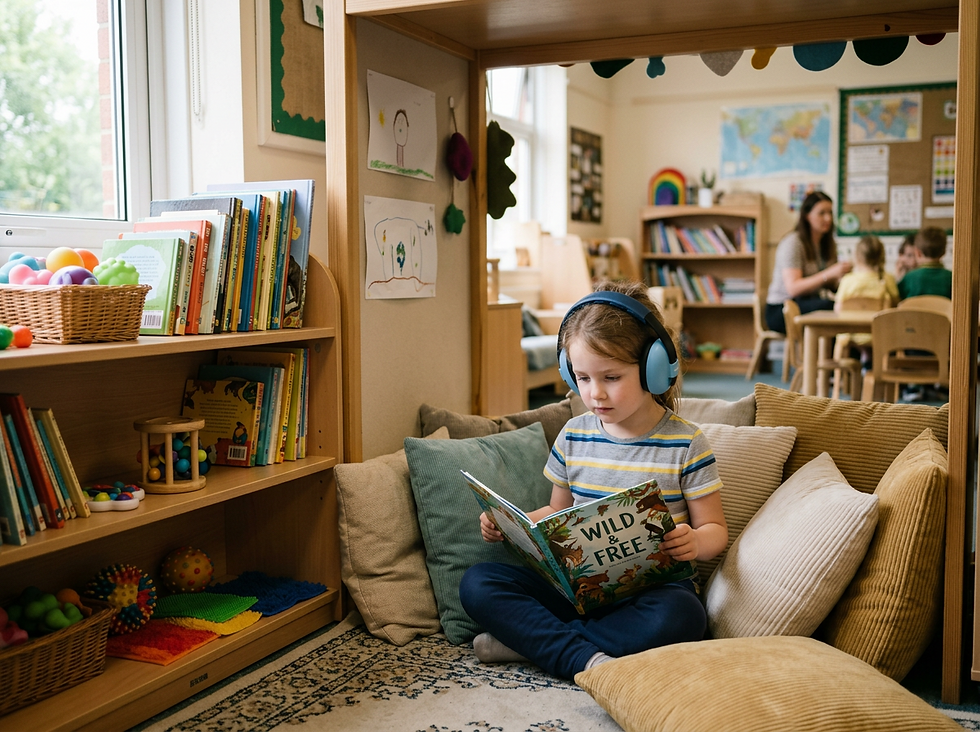
Downtime might include headphones, a favourite activity, movement, dim lighting or time alone. Respecting this need can reduce meltdowns and make social moments more successful later.
Support should build confidence, not force masking
Some children learn to copy social behaviour so well that adults think they are coping. Inside, they may feel anxious, exhausted or confused. This is often called masking.
Good support should not train a child to hide who they are. It should help them understand social situations, communicate needs, enjoy relationships and stay emotionally safe.
That means respecting autistic ways of playing too. A child does not need to play like every other child to have a rich and meaningful life. The aim is to widen choices, not erase differences.
Clinic Autism London’s role can be especially helpful here. Specialist guidance can help families separate skills that support wellbeing from pressures that only make a child appear more typical. That distinction matters for long-term confidence.
When to seek professional guidance
Parents and carers often wonder when to ask for help. Support may be useful if a child:
Rarely joins play with others and seems distressed or isolated
Wants friends but often ends up in conflict
Struggles with turn-taking, sharing or flexible play
Becomes overwhelmed in play settings
Has delayed or unclear communication
Finds nursery or school social times very hard
Relies on rigid routines that limit daily life
Shows anxiety before social events or group activities
Early guidance can prevent difficulties from becoming more entrenched. It can also help adults respond consistently across home, nursery and school.
A professional can identify what sits beneath the behaviour. Is the child anxious? Are they missing language? Are sensory needs getting in the way? Do they need visual support, communication tools, play therapy, occupational therapy or school-based adjustments?
The right support plan should feel realistic. Families do not need a perfect play routine or a house full of specialist toys. They need clear next steps, matched to the child in front of them.
A compassionate next step
Children may struggle with play and social skills for many reasons, including sensory differences, hidden social rules, communication needs, anxiety, flexible thinking and the fast pace of group play. These struggles are real, but they are not a sign that a child does not want connection.
With the right support, many autistic children can build confidence, enjoy shared play and develop social understanding in a way that respects who they are. Progress may look small at first: a glance, a shared smile, a tolerated turn, a new sound, a moment of flexible play. Those moments count.
Clinic Autism London can help families make sense of these challenges and choose strategies that fit their child’s strengths, needs and daily life. Professional guidance can bring relief, direction and a more hopeful path forward, one step at a time.